






How to pace an Andes and Amazon adventure in Peru
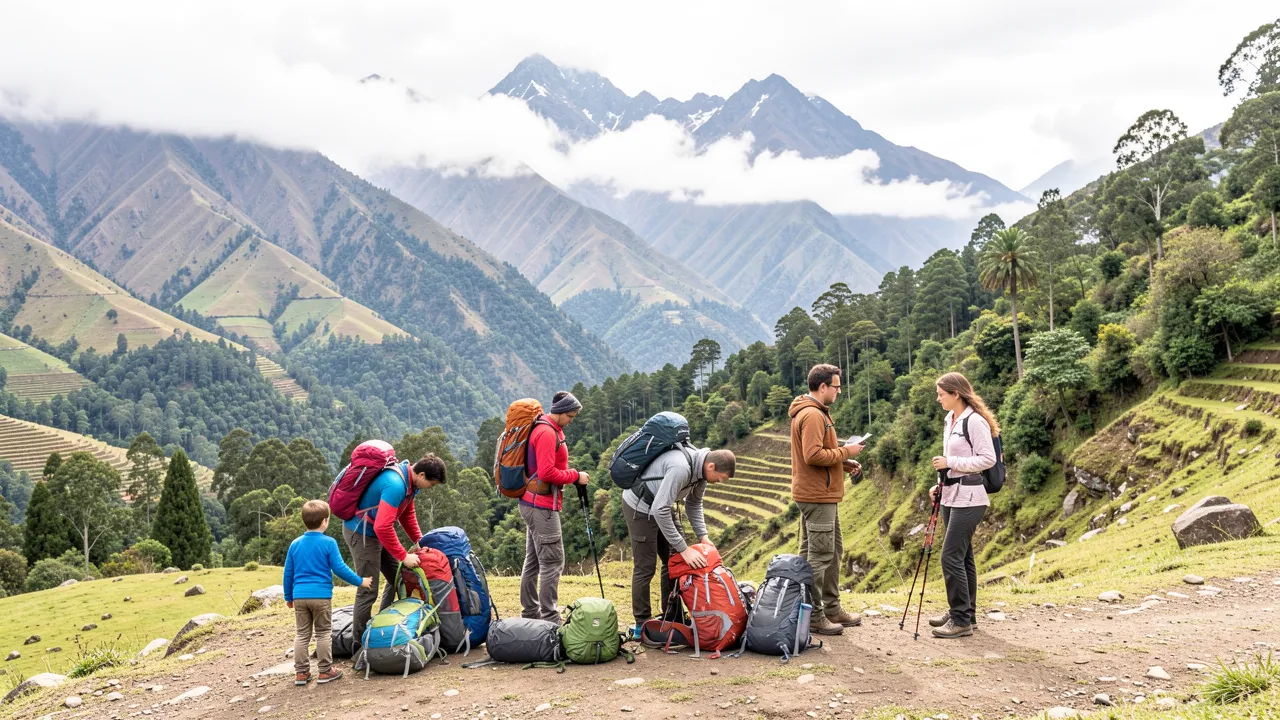
A Peru itinerary that combines the Andes and the Amazon asks you to manage more than distances. You may move from dry, thin air above 3,000 metres to humid jungle heat within a few days, often through flights, winding roads and early departures. A successful route leaves room for recovery, weather disruption and the slower rhythm that remote regions require.
Peru works best when treated as several different journeys
Peru’s coast, highlands and rainforest operate on distinct climatic and logistical calendars. Lima may be mild and overcast while Cusco is sunny by day and cold after dark. In the Amazon, heavy rain, insects and river conditions can shape each excursion. Planning by region, rather than counting only destinations, helps you set a pace your body and schedule can sustain.
For wider destination planning, a travel tips guide can help you compare nature-focused routes, transport choices and practical preparation for international trips. Useful travel guidance looks beyond landmark lists and considers luggage limits, seasonal conditions, transfer times and local infrastructure. Those details matter especially on itineraries that combine mountain roads, domestic flights and rainforest lodges.
The dry season, broadly from May to September, is popular for Andean trekking because trails are usually clearer and rainfall is lower. Nights can be notably cold in Cusco, the Sacred Valley and higher villages. The Amazon remains humid throughout the year, although rain patterns influence water levels, wildlife viewing and navigation. December to March often brings heavier rain in both the highlands and the jungle, while the coast can be warmer and sunnier.
Start slowly when your route reaches the Andean highlands
Altitude is the central pacing issue for many visitors. Cusco stands at roughly 3,400 metres, and arriving there straight after a long international journey can leave you tired, breathless or headachy. Fitness helps with hiking, but it does not remove the need for acclimatisation.
A practical sequence is to arrive in Lima, then fly to Cusco and reserve the first day for a gentle walk, light meals, hydration and rest. Avoid scheduling a demanding trek, a long cycling trip or a tightly timed archaeological circuit immediately after landing. Alcohol, heavy food and intense exertion can worsen discomfort during the first 24 to 48 hours.
Some travellers prefer sleeping first in the Sacred Valley, which sits lower than Cusco. This can be a comfortable option, though it still requires a cautious approach. If symptoms become severe, seek medical advice promptly and descend when advised. Altitude sickness is not a problem to push through for the sake of an itinerary.
Give Cusco and the Sacred Valley separate time
Cusco deserves at least two unhurried nights for acclimatisation, even if your priority is nature rather than city sightseeing. Then allow two or three nights in the Sacred Valley, depending on your plans. This creates time for shorter walks, market visits, local meals and weather-related adjustments before any major hike.
If Machu Picchu is included, book entry and train tickets well ahead for peak months. Build a buffer night after the visit rather than connecting directly to a flight. Train schedules, road conditions and fatigue can turn an apparently simple transfer into a long day.
Make the move to the Amazon a transition, not a rushed add-on
The Amazon is often reached through Puerto Maldonado, where many lodge programmes include a road transfer followed by a boat journey. Flights from Cusco are convenient, yet the day can still involve baggage procedures, waiting at the lodge office, a drive to the river and a boat ride of one to several hours. Treat arrival day as travel time, not as a full safari day.
A stay of three nights is a sensible minimum for a rainforest experience. It allows for an arrival afternoon, two fuller days of walks or boat outings, and a departure morning. Four nights gives more flexibility if rain, river conditions or wildlife activity alters the daily programme.
Expect a striking climate shift. High-altitude layers and dry mountain air give way to heat, high humidity and frequent showers. Your energy level may change even after you have adjusted to altitude. Early starts are common in the rainforest, while midday heat may make a rest period welcome.
Book transport and equipment around realistic daily limits
A durable Peru adventure itinerary is built around transfer days, not against them. Domestic flights can save time, but weather, baggage restrictions and airport schedules still demand margin. Mountain roads can take longer than maps suggest, particularly during wet conditions or local traffic disruptions.
When arranging bookings, focus on the details below:
-
Keep major transfers separate from demanding activities. Do not pair a Cusco arrival with a high-elevation trek, or a rainforest lodge transfer with a late-night onward flight. One main movement per day keeps delays from affecting every reservation.
-
Pack for temperature changes in layers. Bring a warm mid-layer, waterproof outer shell, sun protection and comfortable walking shoes for the Andes. For the Amazon, add quick-drying clothing, a long-sleeved shirt, insect repellent, a reusable water bottle and a dry bag for electronics.
-
Check baggage rules for internal flights. Smaller aircraft and lodge transfers may have tighter weight allowances than international airlines. Ask whether excess luggage can be stored in Cusco or Lima, and use a soft duffel if the operator recommends one.
-
Protect flexible time in the route. Reserve at least one open day before an international departure, particularly after returning from the Amazon. This buffer can absorb flight changes, illness, bad weather or a simple need to rest.
-
Confirm what remote lodges provide. Many include meals, drinking water, rubber boots and guided excursions, but standards vary. Ask about electricity hours, mosquito protection, dietary arrangements, medical procedures and communication access before paying a deposit.
A measured pace turns Peru’s contrasts into strengths
The most rewarding Peru journeys do not try to compress every region into a single week. Allow your body to adjust in the Andes, accept that Amazon transfers take time, and plan clothing around radically different conditions. With buffer days, sensible booking choices and respect for altitude, you can experience both landscapes with more comfort and far less pressure.