How to find authentic local food abroad
Finding authentic local food abroad is less about chasing famous dishes and more about understanding how people eat in everyday life. You may arrive with a list of restaurants from social media, yet the most memorable meal can be a simple lunch in a busy market, a regional pastry bought from a family bakery, or a soup recommended by your hotel host. With a little curiosity and respectful planning, you can taste food that reflects the place you are visiting.
Start with local eating habits rather than tourist menus
Before booking a table, learn when, where, and how residents usually eat. Meal times vary widely between countries and regions. In Spain, dinner may begin much later than you expect. In parts of France, many kitchens close between lunch and evening service. In Japan, small neighbourhood restaurants can have limited seating and strict opening hours.
Look for places where the menu is written primarily in the local language and where dishes are linked to the season. A short menu is often a positive sign, especially when it changes regularly. Restaurants that focus on a few preparations may be buying fresher ingredients and cooking to local demand.
You can also ask a useful, specific question: “What do people who live here order?” This tends to produce better answers than asking for “the best restaurant.” Hotel owners, market vendors, taxi drivers, and shopkeepers may point you towards modest places you would not have found online.
If accessibility shapes your travel planning, research ahead so dining does not become stressful. Guidance such as Accessible beaches and attractions in Weston-super-Mare can help you think about practical factors, including step-free routes, nearby facilities, and the value of calling venues before your visit.
Markets reveal the ingredients behind regional cooking
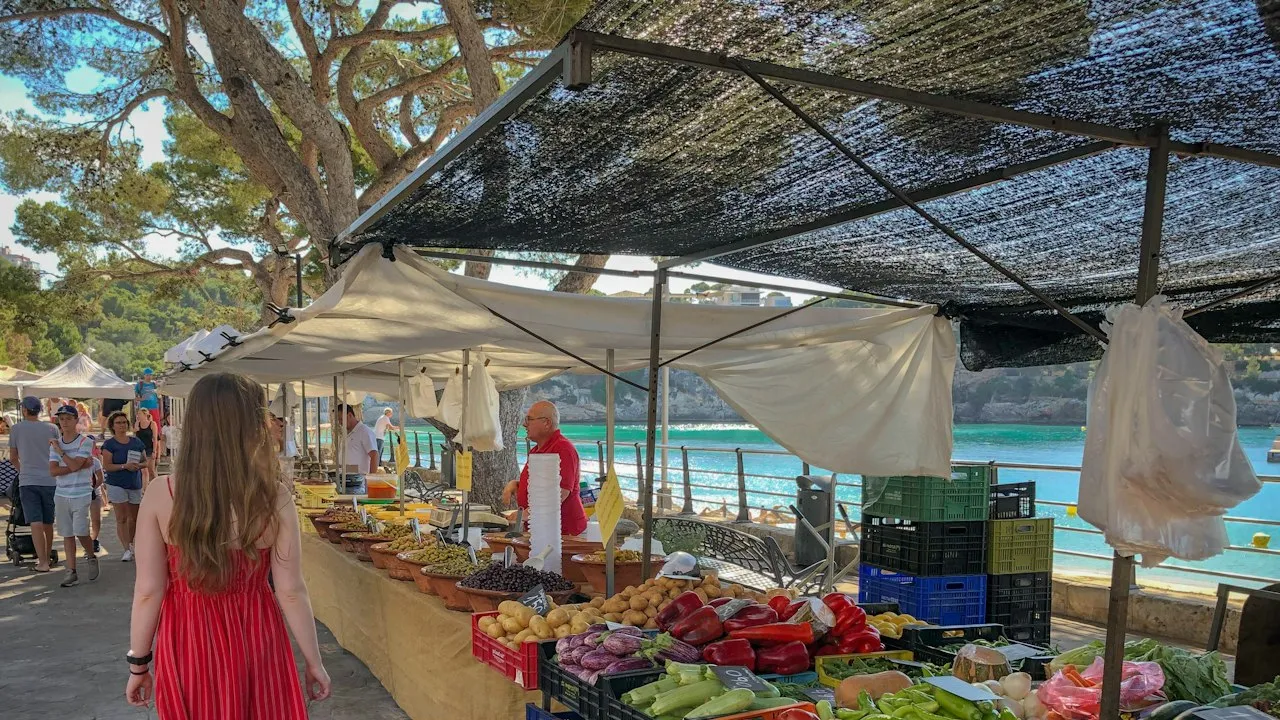
Food markets offer one of the clearest introductions to a destination’s culinary identity. Visit in the morning, when stallholders are setting out produce and regular customers are doing their shopping. Notice the ingredients that appear repeatedly: perhaps seaweed and shellfish near the coast, specific cheeses in mountain areas, or varieties of beans, citrus, and herbs that rarely feature at home.
Buy small portions so you can try several things without waste. Fresh fruit, bread, cheese, smoked fish, pastries, preserves, and ready-to-eat street food are approachable choices. Where appropriate, ask vendors how they would serve an unfamiliar item. A few words in the local language, even if imperfect, show courtesy and can start a warm conversation.
Be selective with food safety. Choose stalls with a high turnover, observe whether hot food is kept hot and chilled items are properly stored, and follow local guidance about tap water or raw produce. Authentic food should still be safe food.
Regional walking routes can also lead you to farm shops, village pubs, and independent cafés that are easy to miss by car. For ideas on combining scenery with local stops, see Best Coastal Walks from Weston super Mare and Beyond.
Learn to distinguish regional specialities from generic souvenirs
Many destinations have dishes marketed heavily to visitors. Some are genuinely traditional, while others have been simplified, standardised, or made for quick service. That does not mean you should avoid popular specialities, but it helps to ask where a dish comes from and whether it is associated with a particular town, season, or celebration.
Search for signs of provenance, such as protected geographical indications, regional wine labels, or named local producers. A menu that identifies the farm, fishing port, cheesemaker, or vineyard can offer useful clues. You might also compare the same dish in two settings: a central restaurant and a neighbourhood canteen, for example. The differences in ingredients, portion size, and presentation can be revealing.
Local food is not frozen in time. New chefs may reinterpret older recipes, and immigrant communities often shape a city’s most loved everyday dishes. Authenticity is about connection to a place and its people, not rigid adherence to a single recipe.
For travellers drawn to rural traditions, Discover Normandy’s horse heritage beyond the coast offers inspiration for looking beyond headline attractions and seeking regional experiences that often include distinctive local produce.
Use digital tools carefully and speak to people often
Maps, review platforms, and social media are useful starting points, but they should not make every decision for you. Sort reviews by most recent, read comments from local-language users, and look beyond star ratings. Repeated praise for a particular dish, friendly service, or a lunch crowd can be more informative than polished photographs.
Avoid relying only on venues with menus translated into many languages near major landmarks. They may be convenient, and some are excellent, but they are less likely to represent the full range of local dining. Walk a few streets away, especially near residential areas, transport hubs, or markets.
You can also join a small cooking class, food tour, or supper club led by residents. Choose operators who name their producers, keep groups manageable, and explain local customs rather than merely offering large quantities of food. If you travel with children, mixing restaurant visits with weather-proof activities can make the day easier. Indoor fun for families in Weston super Mare suggests the kind of flexible planning that leaves room for a relaxed local meal.
Respect local customs while expanding your taste
A rewarding food experience depends on your behaviour as much as your appetite. Learn basic etiquette around queues, tipping, sharing plates, and reservations. In some places, lingering over coffee is welcomed; elsewhere, a busy café expects customers to free the table promptly.
Be open-minded, but do not feel pressured to eat something that conflicts with your dietary needs, beliefs, or comfort. Explain allergies clearly, ideally using a translated card, and confirm ingredients with staff. Clear communication protects both you and the kitchen.
Keep these principles in mind during your next trip:
- Eat at the times and in the neighbourhoods where residents eat.
- Visit markets to identify seasonal ingredients and regional products.
- Ask specific questions about local favourites and house specialities.
- Check recent reviews, but balance online research with personal recommendations.
- Respect customs, book ahead where needed, and communicate dietary requirements clearly.
Make every meal part of your travel memories
Authentic local food is rarely found through a single perfect recommendation. It emerges from paying attention to daily rhythms, choosing independent places with care, and giving yourself time to wander. Whether you share a regional stew in a small café or sample bread from a market stall, each meal can offer a more personal understanding of the destination you have come to know.