






How to plan a car-free coastal getaway
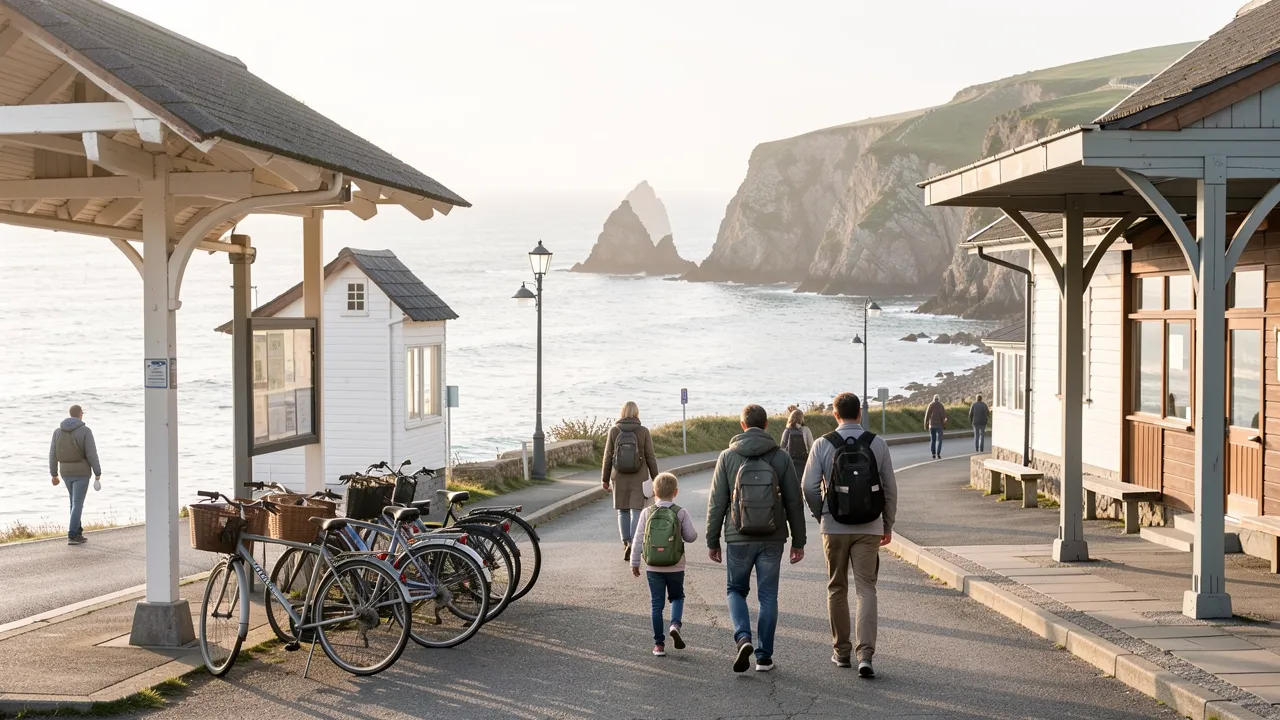
A car-free coastal getaway can be calmer, more flexible and more connected to the landscape than a trip built around driving. With a little planning, you can arrive by train or coach, walk from your accommodation to the shore, and use local transport for day trips. The result is less time spent finding parking and more time enjoying sea air, harbour walks and local food.
Choose a coast with strong public transport links
Start by looking for seaside towns served by a railway station, frequent buses or a coach stop close to the centre. Places with compact promenades and accommodation near the waterfront are particularly practical, because many cafés, beaches and attractions will be within walking distance.
When comparing destinations, check the full journey rather than the main train route alone. A direct rail service may look appealing, but a destination with one easy connection and a station close to the seafront can be more convenient. Use the National Rail journey planner to compare departure times, changes and return options before booking.
Also consider the terrain. A cliff-top village may be beautiful, yet steep hills and limited pavements can make luggage and daily outings harder to manage. If you prefer gentle walks, choose a resort with a level promenade, a central station and regular local buses.
Match the destination to your pace
A lively resort suits travellers who want restaurants, amusements and frequent transport. A quieter village can be better for reading, coastal paths and long lunches, although it may require more careful attention to bus timetables.
Ask yourself a few practical questions:
- Can you reach the beach on foot from your accommodation?
- Are shops and evening dining options nearby?
- Does the final bus run late enough for your plans?
- Is there a taxi firm available if services are reduced?
Book accommodation that reduces daily travel
Your accommodation has a major effect on how easy a car-free break feels. Prioritise a location within a 10 to 15 minute walk of the station, bus stop or harbour. A slightly smaller room in a central guesthouse can offer more freedom than a larger property on the edge of town.
Look for facilities that simplify your stay. Luggage storage, an early breakfast, secure bicycle parking and clear directions for arriving on foot are all useful. If you are travelling with children, mobility equipment or bulky bags, ask about step-free access before confirming your booking.
It also helps to study a map rather than relying only on descriptions such as “near the beach”. Some coastal properties are close to the shore but far from the town centre, while others sit near a station but above a steep climb. A well-located base turns transport planning into a minor detail.
Plan the journey with room for delays
Coastal routes can involve connections, particularly outside major holiday periods. Build spare time into your outward journey, especially if you need to change trains or catch a final bus to a smaller village. A 20 to 30 minute buffer can make the trip much less stressful.
Buy tickets early when advance fares are available, but check the conditions first. Some cheaper tickets restrict you to a specific train, while flexible fares may be worthwhile if weather or connections affect your plans. Keep digital tickets accessible offline and carry a charged power bank if you use your phone for boarding passes and maps.
Pack with the final transfer in mind. A wheeled case works well on station platforms and paved promenades, but a backpack can be easier where there are steps, sand or uneven paths. Bring a compact waterproof layer, reusable water bottle and a small day bag for beach essentials.
Make arrival day deliberately simple
Avoid scheduling a long coastal walk immediately after a complex journey. Instead, leave arrival day for checking in, finding the nearest food shop and taking a short orientation stroll. Locate the station, bus stops, beach access points and any public toilets while you are relaxed.
If your train arrives late, reserve a table nearby or identify an evening takeaway option beforehand. Small towns may have limited dining hours outside peak season.
Use local transport as part of the holiday
Buses, ferries and heritage railways can become enjoyable parts of a coastal break rather than mere substitutes for a car. Check local operator websites for seasonal schedules, as services often change in spring, summer and winter. Photograph or save timetables, since mobile signal can be patchy along remote stretches of coastline.
For a straightforward base with plenty to do on foot, you might consider Accessible beaches and attractions in Weston-super-Mare. Destinations that combine a long promenade with nearby attractions can make it easier to plan days without complicated transfers.
Hiring a bicycle for one day can extend your range, provided there are safe routes and secure places to leave it. E-bikes are useful in hilly areas, though availability can be limited during school holidays. Book ahead if cycling is central to your plans.
Build an itinerary around weather and walking distance
The coast rewards a flexible schedule. Set aside outdoor activities for the best forecast, and keep indoor alternatives ready for rainy or windy periods. Museums, galleries, aquariums, independent bookshops and cafés can fill a wet afternoon without requiring a long journey.
Rather than trying to visit several towns each day, choose one main activity and leave space for unplanned stops. A harbour market, a tidepool walk or a bench overlooking the sea may become the most memorable part of the trip.
Check tide times before planning beach walks or routes below cliffs. Some paths become inaccessible at high tide, and changing conditions can affect ferry services. Safety and local advice should shape every shoreline plan.
A car-free coast break can feel genuinely restorative
A successful trip depends less on seeing everything and more on choosing a place where daily needs are close at hand. When transport, accommodation and walking routes work together, you can travel lightly and enjoy the coast at a slower pace.
- Choose a destination with rail or coach access and reliable local buses.
- Stay near the station, seafront and everyday amenities.
- Allow extra time for connections and pack for the final walk to your accommodation.
- Check seasonal timetables, tide times and weather forecasts.
- Keep plans flexible so that the coast sets the rhythm of your getaway.