







Choosing crystals while travelling: meanings and responsible buying
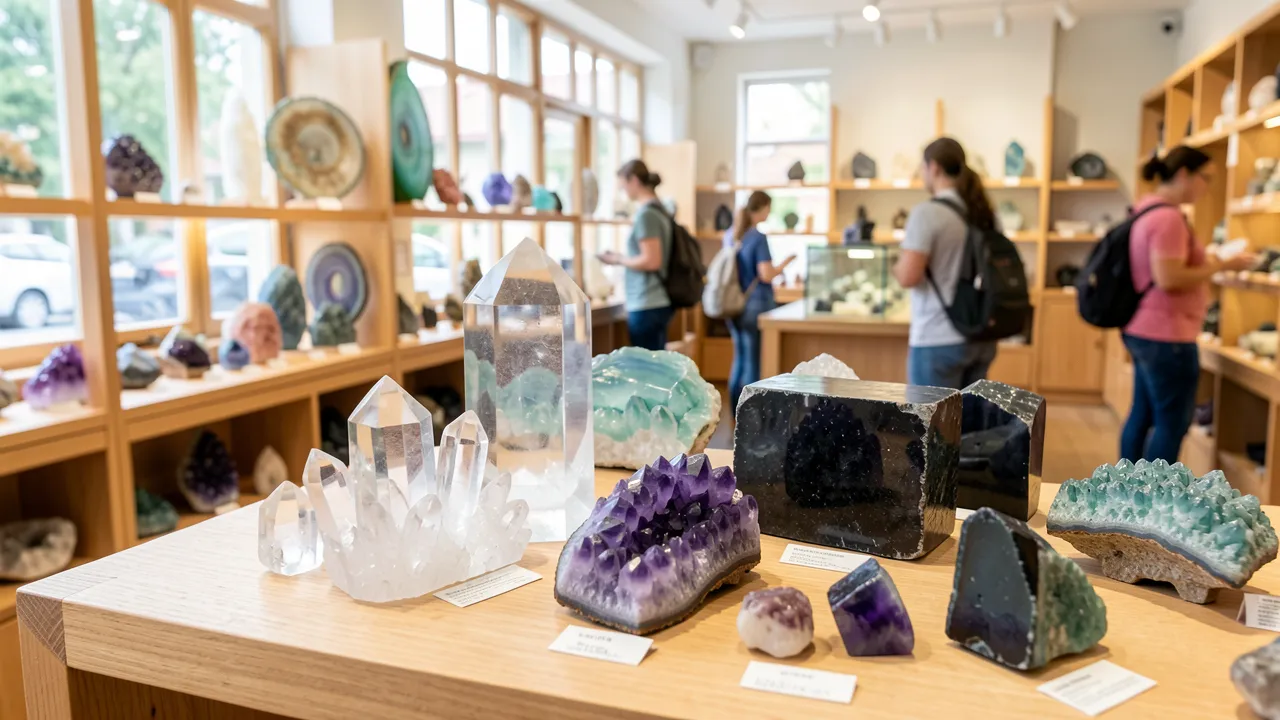
Travelling often brings you into contact with mineral markets, museum collections, mountain shops and small artisan stalls. A polished stone may catch your eye because of its colour, texture or local story. For many people, crystals are more than souvenirs: they are minerals used in meditation, reflection and personal rituals. Their perceived power usually comes from symbolism, intention and personal connection, rather than from proven medical effects.
Crystal meanings can enrich a mindful travel ritual
Crystals have held symbolic value across many cultures, from decorative objects and trade goods to items used in spiritual practices. When you choose one during a trip, the experience can become part of its meaning. A stone bought near a volcanic landscape, for example, may remind you of resilience, movement or a memorable walk.
The perceived benefits of crystals vary widely. Some people hold a stone during meditation, keep it on a desk as a visual cue, or carry it while travelling as a grounding personal object. These practices may support focus, comfort or reflection, but crystals should not replace medical care, mental health support or professional advice.
“A meaningful object does not need to promise miracles to become part of a powerful personal ritual.”
For readers who want to compare crystal symbolism, practical uses and care routines, Pouvoirdescristaux offers material focused on the spiritual and everyday associations of stones. Clear quartz, amethyst, black tourmaline and other minerals are often discussed through themes such as clarity, calm, protection and intention. The site can also help you consider cleansing methods, storage and the symbolic language attached to different crystals. Such associations remain personal and may differ between traditions.
Familiar stones carry varied associations
Clear quartz is frequently described as a versatile crystal. Its transparent appearance leads many practitioners to associate it with clarity, focus and the amplification of intentions. Some call it the “most powerful crystal,” yet that label is subjective. A stone’s usefulness depends far more on your purpose and relationship with it than on a universal ranking.
Amethyst, recognisable by its violet tones, is commonly linked to rest, contemplation and emotional balance. Rose quartz is often connected with gentleness, compassion and affectionate relationships. Green aventurine may be chosen for its traditional associations with optimism, opportunity and renewal.
Black tourmaline is a popular travel companion for people seeking a sense of steadiness or symbolic protection in busy places. Agate, with its bands and wide range of colours, is often valued for balance and patience. Chalcedony is associated in some traditions with communication and calm expression, while selenite is appreciated for its pale, luminous appearance and links to mental space or cleansing rituals.
Choosing a crystal begins with your own intention
A beginner does not need an elaborate collection. One or two stones that genuinely appeal to you can be enough. Instead of asking which crystal has the greatest power, ask what you want the object to represent in your daily life.
You might choose clear quartz as a reminder to simplify your priorities during a demanding period. You might select amethyst after visiting a mineral shop because its colour encourages a quiet evening routine. A small black tourmaline piece can become a tactile object to hold before a flight or during a crowded journey.
Use observation before relying on labels
Before reading a seller’s description, spend a moment looking at the stone. Notice its weight, surface, colour and the feeling it gives you. This does not mean that a crystal possesses measurable energy, but it allows you to make a deliberate choice rather than purchasing a label.
Consider these questions:
- Do you feel drawn to the stone’s appearance or geological character?
- Does its traditional meaning fit a personal intention you already have?
- Will you use it in a realistic ritual, such as journalling, meditation or display?
- Are you buying it because it is meaningful, rather than because it is presented as a cure or guarantee?
A simple ritual can give the object a practical role. Place your chosen crystal beside a travel journal, hold it while setting an intention for the day, or keep it somewhere visible at home after your return. The value lies in the pause and attention you create.
Responsible buying protects places, workers and your budget
Markets and independent mineral shops can be enjoyable stops during a trip, yet responsible choices matter. The crystal trade includes everything from carefully documented specimens to heavily treated material and vague origin claims. Asking a few direct questions can make your purchase more informed.
First, ask where the mineral was mined and whether the seller knows its supply chain. A precise answer is not always available, particularly in a market setting, but a trustworthy seller should be open about uncertainty. Be wary of dramatic claims about rare stones, guaranteed outcomes or supposedly exclusive discoveries.
Authenticity also deserves attention. Some brightly coloured geodes, quartz points and “aura” crystals have been dyed, heated or coated. Treatments are not automatically negative when clearly disclosed, especially if you enjoy the finished look. Problems arise when altered material is sold as wholly natural at an inflated price.
Small, locally sourced stones with clear provenance may offer a more respectful alternative to anonymous bulk imports. If you visit a geological attraction, follow collection rules. Removing minerals from protected areas, heritage sites or private land without permission can damage fragile environments and may be illegal.
A thoughtful crystal can become a lasting travel keepsake
Choosing crystals while travelling can combine curiosity about geology with a reflective personal practice. You do not need to accept every spiritual claim to appreciate mineral beauty, cultural symbolism or the calming structure of a small ritual. Buy with care, question exaggerated promises and select stones that suit your own intentions.
Key points to keep in mind:
- Crystal benefits are perceived and personal, not medical guarantees.
- Clear quartz is often linked with clarity, while amethyst is associated with contemplation.
- Black tourmaline, rose quartz, agate, chalcedony, selenite and green aventurine carry varied symbolic meanings.
- The “most powerful” crystal is the one that supports a sincere, useful personal ritual.
- Responsible buying includes asking about origin, treatments, labour practices and collection rules.